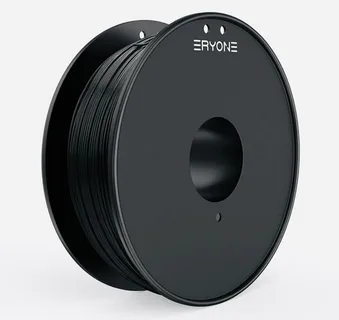
Black

PA-CF Black Engineering Nylon

Polymaker
Date receive: April 6, 2026
Date Tested: May 4, 2026
United States
PPL-PETG-BLK-001

Supplier Claims TestedStrong, tough, easy to print, heat resistant

eSUN PLA+ White is ideal for clean visual prints, quick prototypes, and low-load indoor parts. It is easy to use and dimensionally friendly, but heat, brittleness, and sustained load should be treated as key limitations.

Overall Score

0
88/100
80/100
82/100
85/100
72/100
77/100
74/100
A. Quick View
  • Functional prototypes
  • Electronics enclosures
  • Brackets and mounting parts
  • Jigs and workshop fixtures
  • Everyday durable printed components
  • High-temperature applications above its practical heat range
  • Parts requiring extreme stiffness
  • Highly detailed decorative prints where PLA may produce sharper surfaces
  • Long-term outdoor parts without material-specific UV consideration
  • Drying improves surface consistency and reduces stringing.
  • Retraction and cooling should be tuned to avoid fine webbing.
  • Allow enough cooling on small details to preserve dimensional quality.
Polymaker PETG Black is a strong all-round material for users who need more durability than PLA while keeping the printing process relatively approachable. It performs well for practical parts, enclosures, and prototypes, with good consistency when moisture and retraction are controlled.

SUPPLIER

NovaPrint Polymers

Manufacturer

demo-supplier@novaprint.example

Engineering Report

PolyMax Tough PLA

new Benchmark report covering printability, dimensional consistency, strength-related observations, layer adhesion, heat behaviour, and practical use guidance for Polymaker PETG Black.

May 13, 2026

MORE IMAGES

Performance vs. category average

Creator View
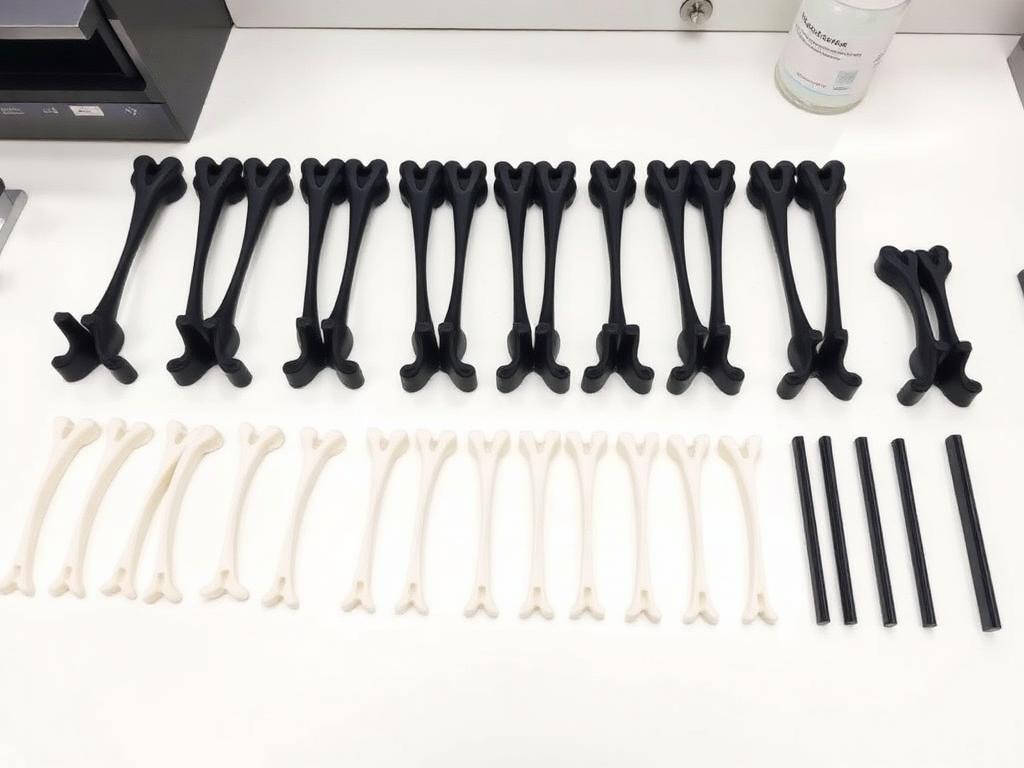
Specimens Before Testing
First-layer reference for current settings.
Specimens Before Testing
First-layer reference for current settings.

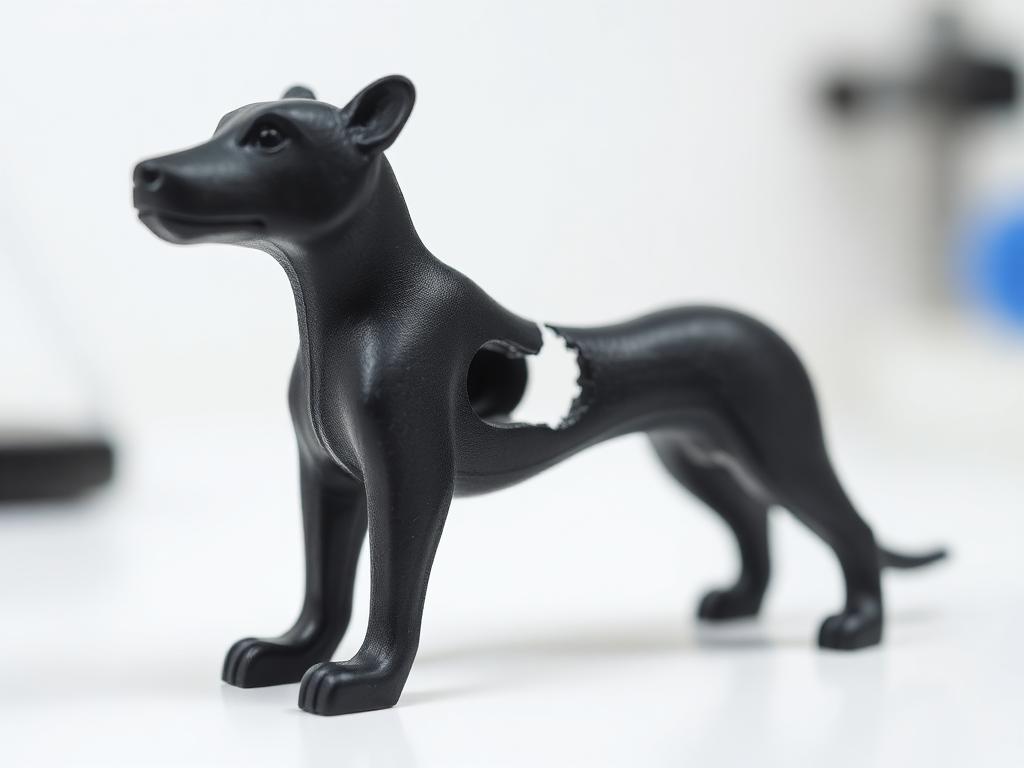
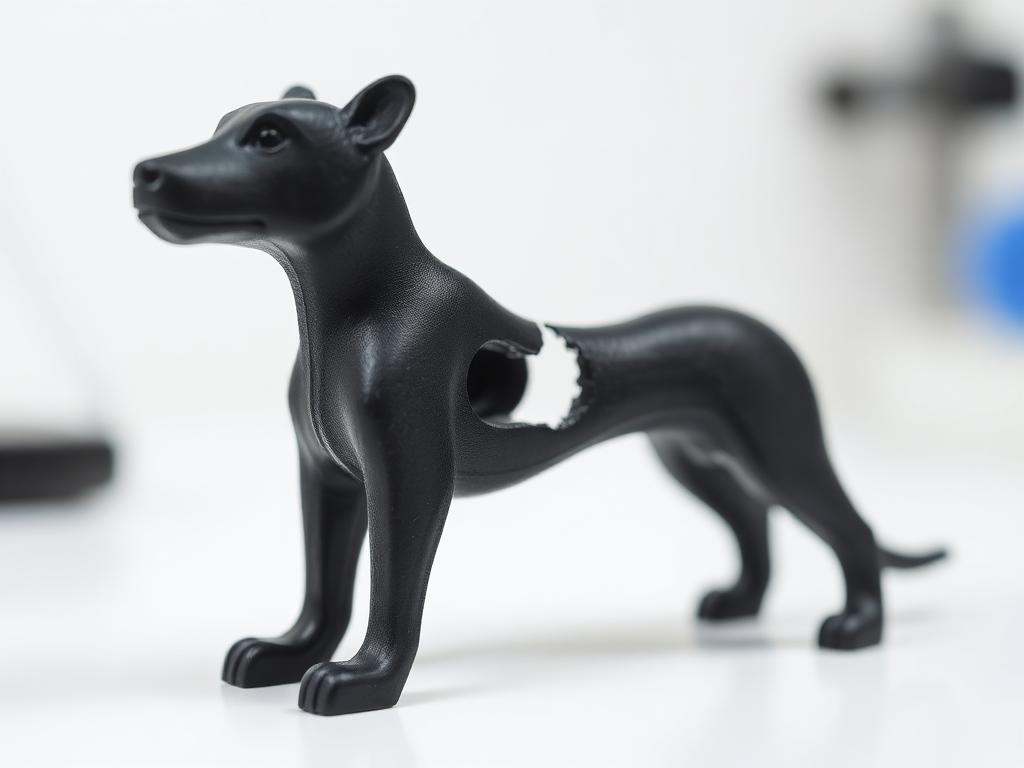
Failure Analysis

Tensile XY Failure Photo

Tensile Z Failure Photo

Bending Failure Photo

Impact Failure Photo

Video Links

Engineer View

Print Settings

Printer Model

Bambu Lab H2S

Printer Firmware

v1.0

Slicer + Version

Bambu Studio 1.9

Nozzle Diameter

0.4 mm

Nozzle Material

Hardened steel

Layer Height

0.4 mm

Nozzle Temperature

Bed Temperature

Chamber Temperature

Print Speed

100 mm/s

Wall Count

4

Infill Percentage

100%

Infill Pattern

Rectilinear

Cooling Fan

30%

Print Orientation

XY

Build Plate / Surface

Textured PEI

Adhesion Aid

None

Drying Condition

Ambient Temperature

Ambient Humidity

48% RH

Specimen Tracking

No data was found

Printability Results

First-Layer Success Rate

96%

Stringing Score

72 / 100

Overall Print Success Rate

94%

Surface Quality Score

82 / 100

Failed Print Count

1

Bed Adhesion Notes

Strong adhesion on textured PEI with minimal edge lift.

Warping Score

88 / 100

Printability Verdict

Reliable printing behaviour after drying and retraction tuning.

Dimensional Accuracy

Nominal Dimension

20.00 mm

Dimensional Standard Deviation

0.04 mm

Measured Dimension Average

20.16 mm

Dimensional Accuracy Score

83 / 100

Dimension Deviation

+0.16 mm

Dimensional Notes

Good dimensional consistency for functional parts.

Dimension Deviation %

0.80%

Tensile Strength XY

Tensile Specimen Count

5

Tensile Failure Mode

Interlayer Separation

Ultimate Tensile Strength Average

35.8 MPa

Elongation at Break Average

18.70%

Ultimate Tensile Strength SD

2.1 MPa

Dimension Deviation %

0.80%

Raw results

No data was found

Tensile Strength Z / Layer Adhesion

Tensile Specimen Count

5

Tensile Modulus Average

/

Ultimate Tensile Strength Average

35.8 MPa

Elongation at Break Average

63%

Ultimate Tensile Strength SD

2.1 MPa

Tensile Failure Mode

Interlayer Separation

Layer Adhesion Ratio

68%

Anisotropy Index

/

Raw results

No data was found

Flexural / Bending

Specimen Count

3

Flexural Modulus Average

2.0 GPa

Flexural Strength Average

/

Deflection at Break

Moderate

Flexural Strength SD

76.3 MPa

Flexural Failure Mode

Gradual bending with stress whitening

Heat Resistance

Test Method

Standard-inspired practical thermal deformation benchmark

Deflection Threshold

0.45 mm

Test Load

/

Ramp Rate

Deflection Temperature

Specimen Count

3

Visible Deformation Notes

Moderate deformation at elevated temperature.